
Table of Contents
Transitional interior design combines elements of both traditional and modern styles. It seeks to strike a balance between the classic elegance of traditional design and the clean lines and simplicity of contemporary design, creating a cohesive and harmonious space.
If you've ever found yourself torn between the warmth of a classic home and the streamlined feel of modern interiors, transitional design is your answer.
THE FOUNDATION: COLOUR & WARMTH
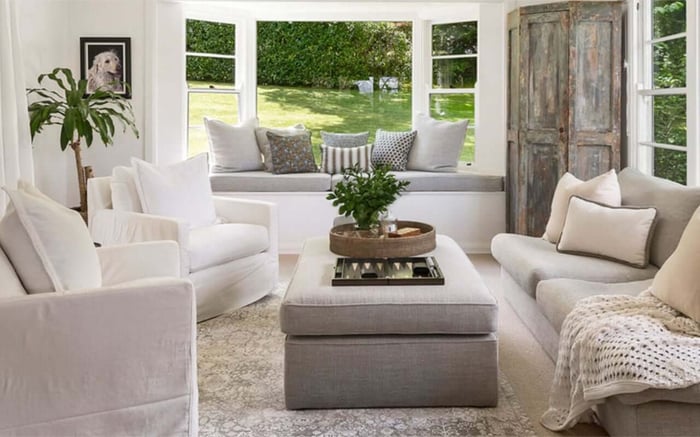
Transitional homes feature a foundation of soft neutrals: beige, grey, cream, tan, and shades of white and ivory. These provide a harmonious and soothing atmosphere that are complemented by calming blues, greens, and browns.
The most important aspect when it comes to mastering the transitional colour palette is to look for a common thread to carry within and between rooms. An example would be choosing 3–5 items within the same colour scheme, such as an ivory slipcovered sofa, a textural neutral abstract artwork, and a warm marble decorative bowl or tray. This repetition creates a sense of intentionality and flow.
For lustre and sophistication, include warm-toned metals of unlacquered brass, bronze, antique silver, matte black, or antique gold. Bolder pops of colour can also be incorporated strategically through artwork, floral arrangements, and select decorative accents—but sparingly, and always with purpose.
For a streamlined and minimal aesthetic, consider a monochromatic colour palette, which encompasses all the varieties of a single hue, including the tints, shades, and tones, ranging between lighter and darker versions of the base colour.
THE ARCHITECTURE OF EASE
Transitional architecture avoids the ornate detailing of traditional styles, instead opting for a streamlined appearance. Interiors often feature pared-back architectural details such as crown mouldings, baseboards, window casings, and a minimalist approach to mouldings.
Transitional homes favour open and flexible floor plans that promote a sense of flow and connectivity. This reflects the influence of contemporary design principles, creating spaces that feel both grounded and breathable.
BRINGING IT TO LIFE: YOUR ROOMS
The Living Room
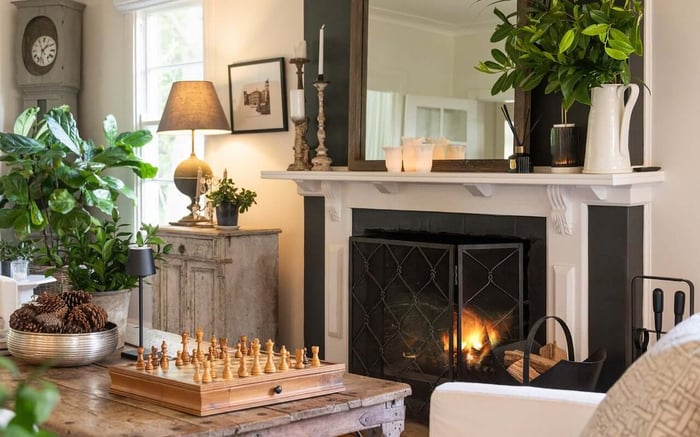
Your living room is where this balance truly comes alive. Begin with a plush sofa—perhaps in linen, velvet, or boucle—featuring traditional touches like rolled arms but with clean, streamlined proportions. This is your anchor.
Pair it with an occasional table in wood and glass or metal and stone. Layer in a vintage-style wool rug or one featuring subtle geometric prints. Add throw blankets and cushions in complementary neutrals—think nubby chenille, cashmere, or quality linen.
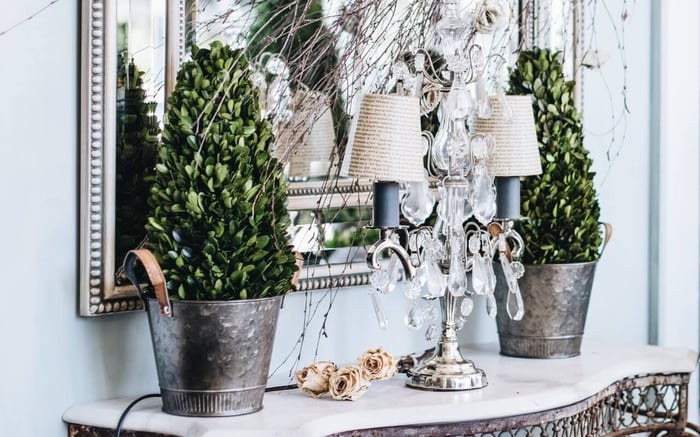
For lighting, combine styles effortlessly: a classic brass or French-style chandelier paired with modern swing-arm sconces. Mix table lamps with sleek metal, marble, or wood bases alongside velvet or linen lampshades.
Display artwork intentionally. Rather than a collage of many pieces, choose one or two large abstract works, or a streamlined series of prints in complementary frames. Add a statement mirror—perhaps round, sunburst, or grid-style—in a frame of quality wood, metal, or gilt.
Style your coffee table with curated books, a marble tray, and perhaps a simple potted orchid. This is where elegance and ease meet.
The Bedroom
In your bedroom, layer quality linens, silk, and velvet bedding in your neutral palette. Pair them with a bedhead featuring traditional details like button tufting or nailhead work—but in a streamlined silhouette that feels restful, not fussy.
Transitional window treatments might include relaxed linen drapes or plush velvet curtains in soft neutrals or soothing accent colours of blue, green, or brown. Layer with lightweight sheers for softness and dimension.
For storage, seek pieces with clean lines and simple hardware but with classic finishes or decorative touches like subtle wood carvings. These feel curated without being ornamental.
Infuse the space with greenery—a potted olive tree, tall eucalyptus branches, or a few simple seasonal stems. These bring life and freshness without disrupting the calm.
TEXTURE & MATERIALS
Transitional textures are tonal and tactile, favouring a combination of materials such as light wood, metal, glass, and stone, to add depth and interest to the space.
Soft furnishings prioritise texture over pattern. Cushions and blankets may feature subtle prints—geometric, herringbone, or botanical designs—to add visual intrigue without overwhelming the space. Think nubby chenille, cashmere, or wool throws paired with quality linen, silk, velvet, or crisp cotton.
Transitional furniture itself speaks to balance. You'll find a modern occasional chair paired with a more traditional coffee table. Linear and streamlined pieces combine with items that bring softer curves—like a circular side table. It's all about striking the right balance between hard and soft, straight and curved, and masculine and feminine.
Textural or neutral wallpaper is a brilliant way to add visual interest and dimension to otherwise plain white walls. Choose subtle geometric, botanical, or abstract prints, or textural grass cloth and faux sisal.
THE DETAILS THAT MATTER
Artwork is used sparingly and is positioned intentionally to make a statement. Mirrors are often large—full-length, round, sunburst, or grid-style—featuring simple frames made from quality wood, metal, or gilt.
Transitional spaces place emphasis on elegance and a pared-back approach to decor. Consider a simple nickel photo frame, a potted orchid, a marble or rattan tray, a stylish catchall bowl, lustrous candleholders, and curated coffee table books. It's also a wonderful opportunity to display your curated collections within display cabinets, on sideboards, or coffee tables.
Keep in mind the balance of old and new, layering a mixture of glossy and matte, modern and rustic, and a combination of different shapes, sizes, and heights.
READY TO CREATE YOUR TRANSITIONAL HOME?
You now have everything you need to bring this timeless style into your space. Browse our carefully curated Transitional Style Collection featuring hand-selected furniture, lighting, textiles, and decorative pieces that embody this elegant, balanced aesthetic.
Or, if you're still exploring which style resonates with you, our Interior Design Style Quiz will guide you in just a few minutes—and reveal personalized recommendations for your home.
STAY INSPIRED
Love this guide? Subscribe to our newsletter for weekly styling insights, new arrivals, and receive a free copy of our 5Ls of styling e-book.
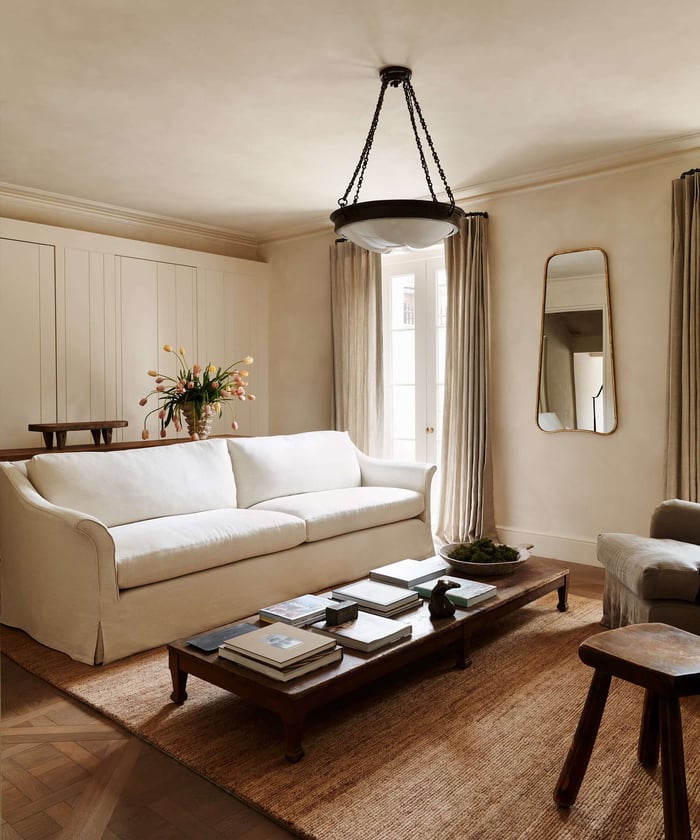
Photo Source: Katie Harbison
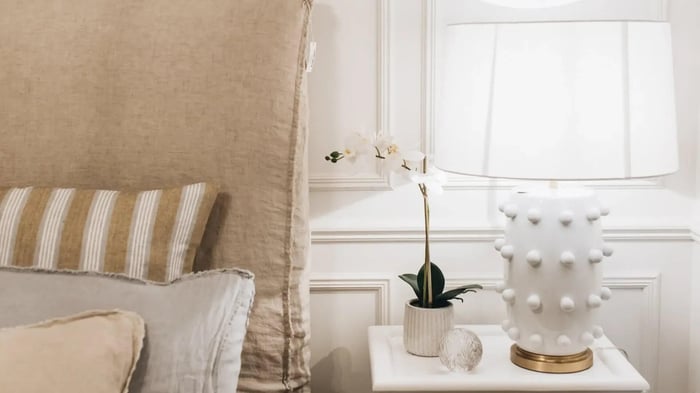
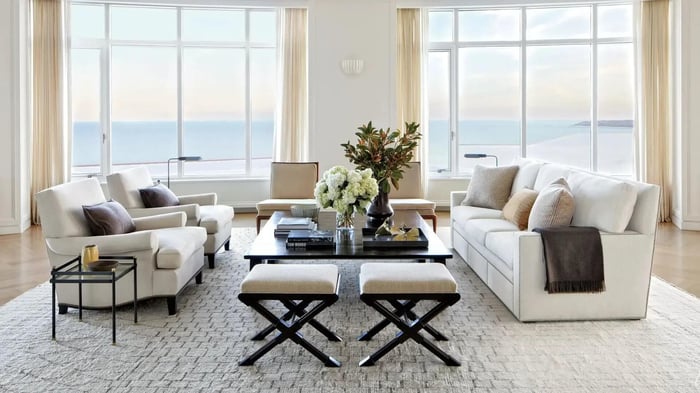
Photo Source: Victoria Hagan
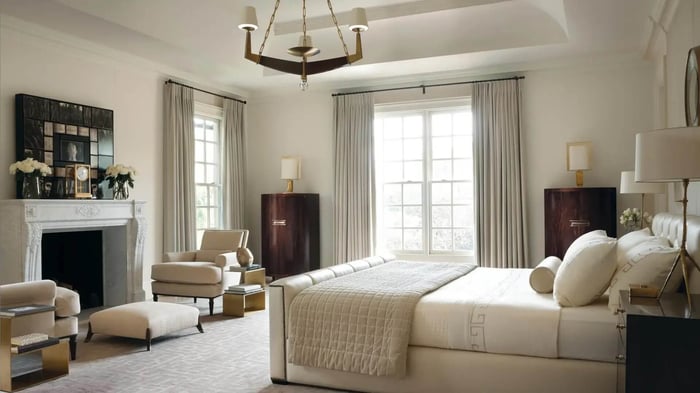
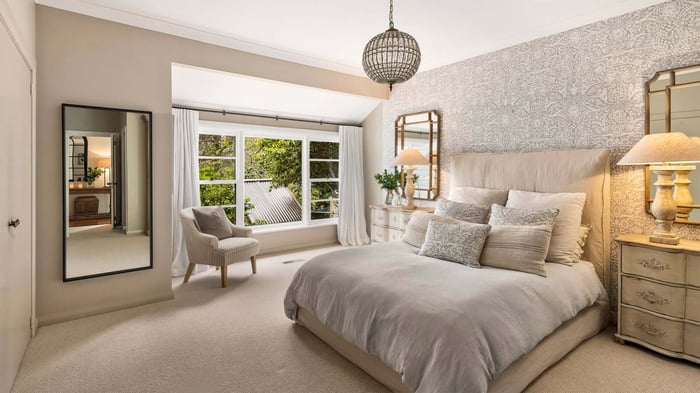
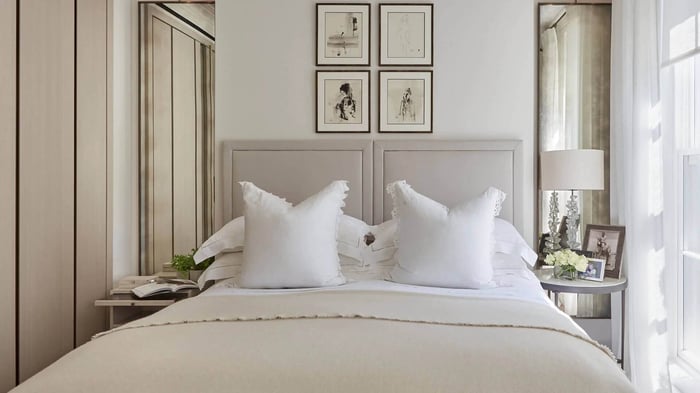
Photo Source: Louise Bradley