
A well-designed home does more than look beautiful. It supports how you feel, how you rest, and how you move through everyday life. More and more, we’re seeing interior design shift away from trends and towards something deeper — creating spaces that genuinely support wellness.
Design psychology consistently shows that our surroundings influence our mood, stress levels, sleep, connection, and comfort.
Start With What Already Feels Good
A helpful place to begin is by thinking about spaces that have made you feel good in the past.
This might be a home you loved, a holiday destination, a favourite hotel, or a quiet place in nature. Think about what stood out. Was it the light? The colours? The textures? The sense of calm or warmth?
These memories often hold clear clues about what you’re naturally drawn to. They can guide your choices when selecting colours, materials, furniture, artwork, and objects for your own home.
Visual Calm & Beauty
Our sense of sight is a core focus in interior design and informs various aspects such as our personal design style, colour palette, decorative accessories, artwork selection, lighting, and more.
Colour Psychology:
Colour psychology explores how different colours can impact human emotions, behaviours, and perceptions. For example:
- Blue: Which is associated with calmness, tranquillity, and a sense of security. Blue is commonly used in bedrooms, living rooms, or spaces where relaxation is prioritised.
- Green: Which is associated with harmony, growth, and peace. The soothing quality of green makes it suitable for bedrooms, living rooms, and home offices.
- Yellow: Which is known for evoking feelings of happiness, energy, and positivity. Yellow can work well in kitchens, dining areas, or any space where a cheerful atmosphere is desired.
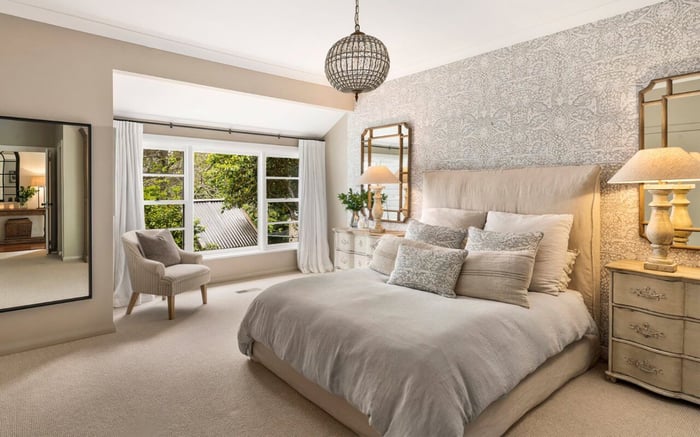
- Neutral Colours, such as white, grey, or beige, which can evoke a sense of calmness and balance. Neutrals work well as a base in any room and allow other colours to stand out as accents.
- & Brown, which represents stability, warmth, and a connection to the earth.
Living Energy & Biophilic Elements
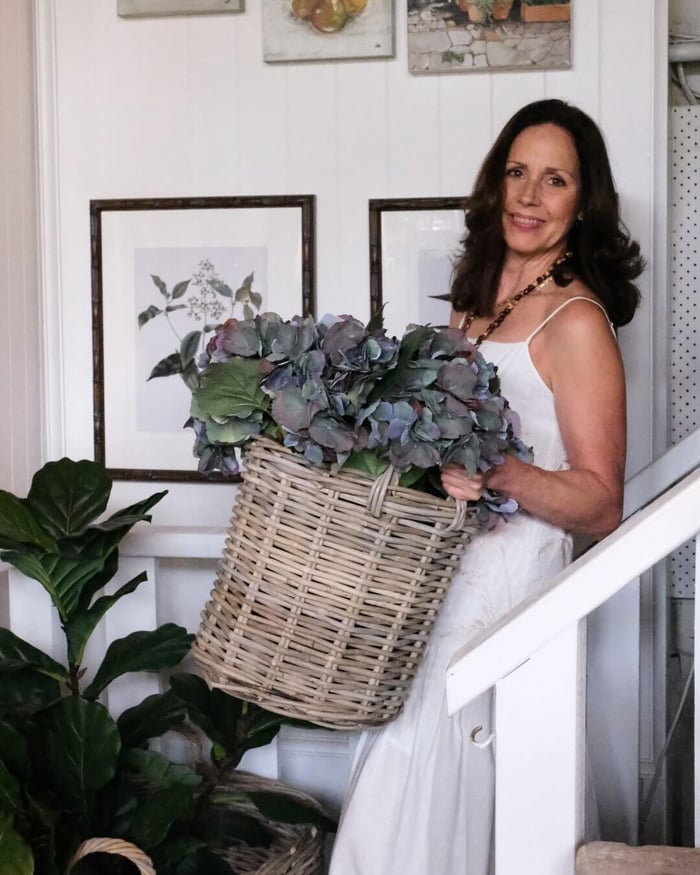
Next, incorporate living energy into your home with Biophilic elements that seeks to blur the boundaries between the built environment and nature.
Ideas include:
- Indoor Plants
- Natural materials & textures such as cotton, linen, wool, rattan, jute, seagrass, wood, stone, and bamboo.
- Water features such as a garden fountain, or small indoor waterfall.
- Organically shaped furniture, homewares, and décor.
- & Fractal based designs, which refer to self-replicating patterns that exhibit the intricate and complex structures found in nature. This may be in the form of artwork, botanical prints, wallpaper, soft furnishings, or plants with clear fractal-like patterns, such as ferns or succulents.
- There have even been companies that have developed carpet planks called relaxing floors that combine art, science, and human-centered design, to emulate fractal patterns.
 Suzie Anderson HomeLayered Lighting
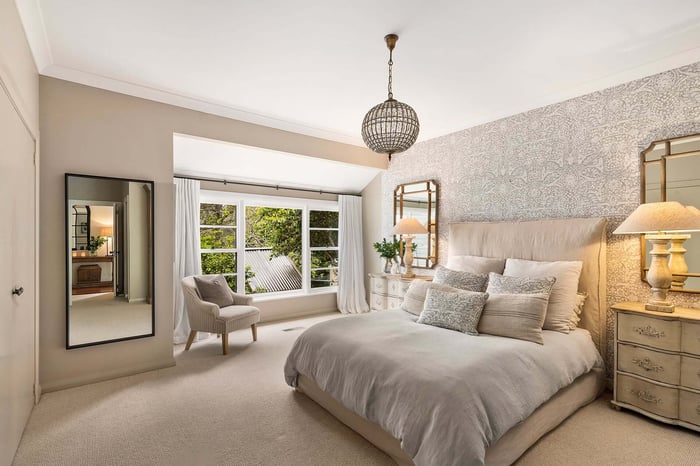
Suzie Anderson HomeLight is the primary stimulus for maintaining a healthy circadian rhythm, and optimising the brightness, colour temperature, amount, timing, and quality of light in the home, can positively impact our overall well-being.
When possible, prioritise the flow of natural light throughout the home.
Exposure to natural sunlight, especially within the first 30 minutes of waking has been shown to uplift mood, regulate circadian rhythms, and enhance the overall appeal of a home.
This includes keeping windows unobstructed, and strategically using mirrors, items with lustre, and light-coloured materials to promote natural and artificial light distribution.
Alternatively, switching your existing light bulbs for a smart lighting system will allow you to program your light scheme into different colours and intensities throughout the day.
Lastly, incorporating multiple light sources with varying intensities and angles helps eliminate dark corners and shadows. This includes using a combination of ambient lighting, accent lighting, task lighting, and mood lighting to create a well-lit and inviting space.
Clutter-Free Spaces
A tidy, clutter-free home can reduce feelings of stress and promote a sense of calm and order.
We recommend looking for ways to optimise your storage solutions, with drawer or desk organisers, rattan boxes, baskets, and trays, vertical and horizontal storage, and additional furniture pieces with closed storage. SHOP STORAGE SOLUTIONS
 AZL InteriorsSomething Loved
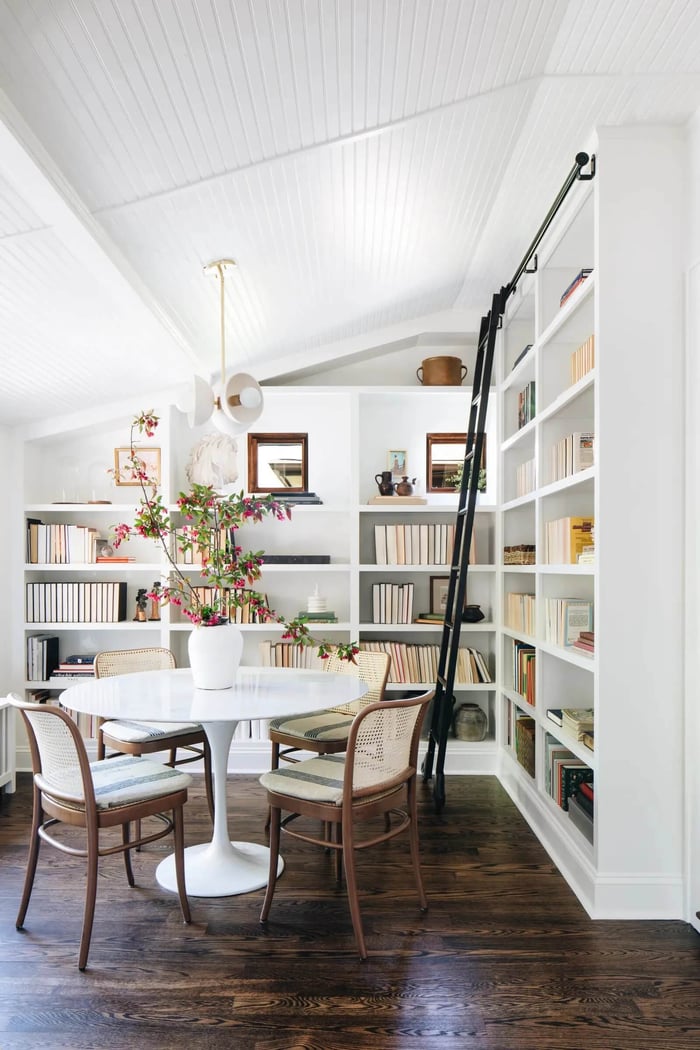
AZL InteriorsOne of my favourite styling principles is to personalise the home by decorating with something loved.
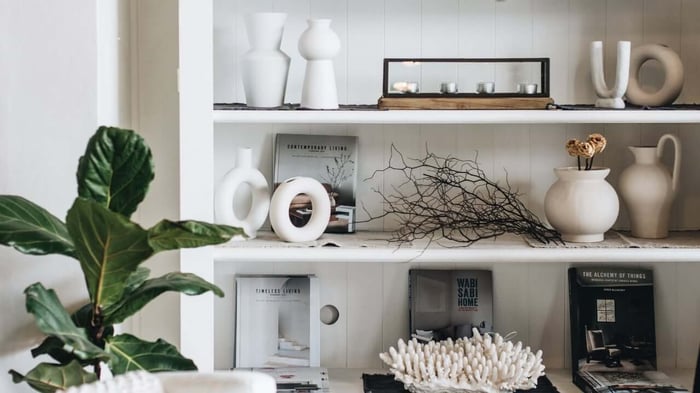
This could be achieved by displaying the special items you recalled in the favourite place exercise, or by incorporating unique, antique, or vintage pieces, and any other items that reflect your values, interests, and hobbies.
Displaying art and personal items that bring you joy, will increase your sense of ownership and self-expression, both of which have been shown to foster deeper connections to your environment.
 Studio MTN
Studio MTNTactile Interest: Our Sense of Touch
Touch is another key aspect of interior design that goes beyond the visual appeal of a space.
Tactile texture refers to the actual feel of the surface texture, such as soft, smooth, rough, sharp, plush, ridged, hard, or studded.
Incorporating tactile elements into your home not only enhances the overall sensory experience but also adds a layer of comfort and intimacy.
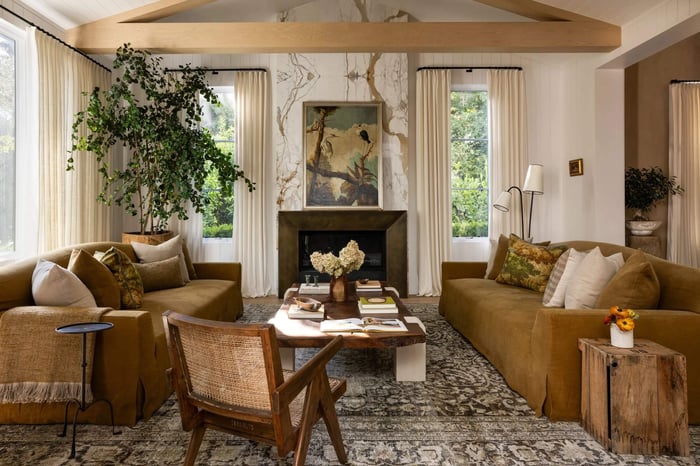
Soft and plush rugs can be used to provide a comfortable surface for walking and lounging. Ideas include textural jute, sisal, or seagrass area rugs, soft wool rugs and runners, shag rugs, faux furs, and sheep skins, among others.
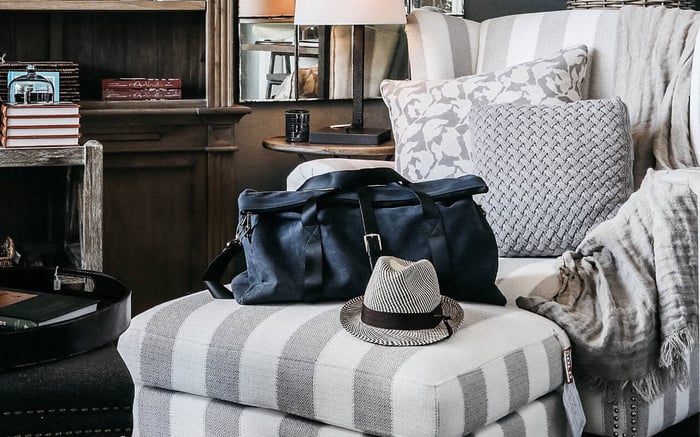
Cushions, bedding, and throws in sumptuous velvets, natural linens, silks, wool knits, cashmere, cotton, and leather all have their own tactile appeal, enhancing the overall comfort and appeal of your home.
Featuring natural fibre pieces from Libeco Linen and Hale Mercantile Co., chosen for their softness, durability, and ability to support everyday comfort. Indulgent additions like Brogo Supersoft Bath Robes elevate simple daily rituals into moments of quiet luxury.
Sound Design
Proper home sound design considers both the creation of a pleasant acoustic environment and the control of unwanted noise in the home.
Some ideas for enhancing your acoustic environment include:
- Installing acoustic panels, sound-absorbing materials, and diffusers.
- Decorating with soft materials like carpets, rugs, drapes, and upholstered furniture which help absorb sound and create a quieter environment.
- Integrating natural elements like indoor plants or water features can add soothing sounds to the space, promoting relaxation and well-being.
- Lastly, introducing background white noise or ambient background music can help create a more pleasant environment.
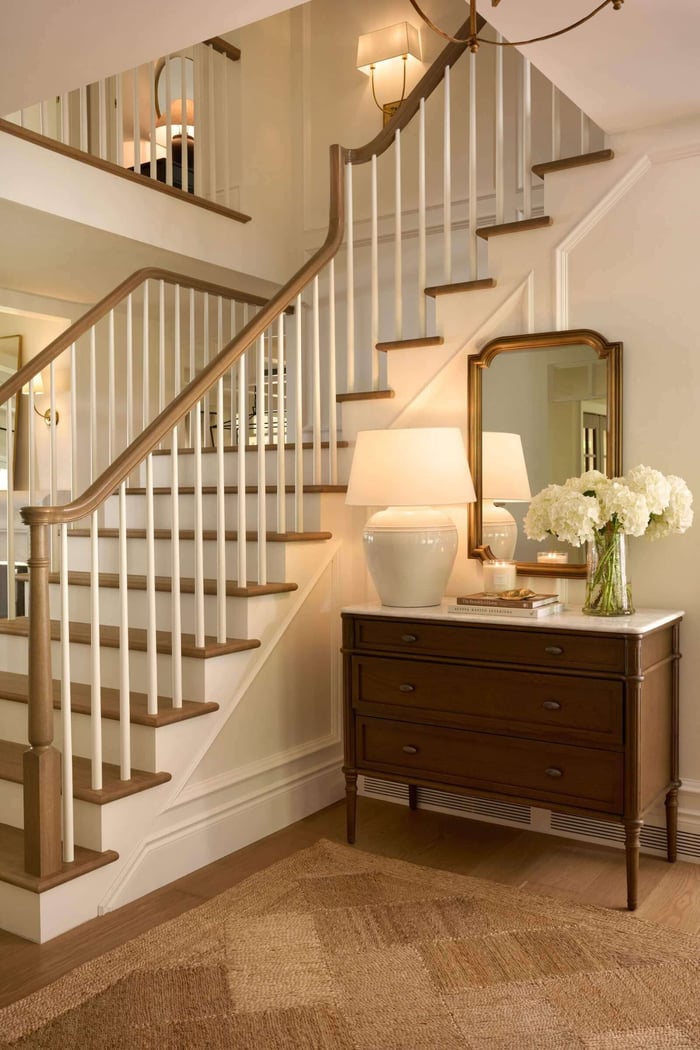 akbdesign
Scent-Scaping & Home Fragrance
Your sense of smell, also known as olfactory design, can evoke strong emotions and memories, influencing our overall perception of a space.
Some ideas of enhancing the aroma of your home include:
- An aromatherapy diffuser or oil burner, which involves using essential oils and natural scents. For example, lavender can promote relaxation, citrus scents can be invigorating, and eucalyptus can be refreshing.
- Lightly scented candles and room sprays.
- Lightly scented flowers to freshen the air and add a touch of nature.
- Refreshing your bedding, cushions, or upholstery with linen sprays.
- Decorating with natural materials such as wood, and porous materials such as limestone to help ventilate the home naturally.
- Lastly, investing in proper ventilation and air purification systems can help to maintain a fresh and clean-smelling environment.
Some of our favourite brands include Trudon, Flower Box, & Antica Farmacista.
Taste
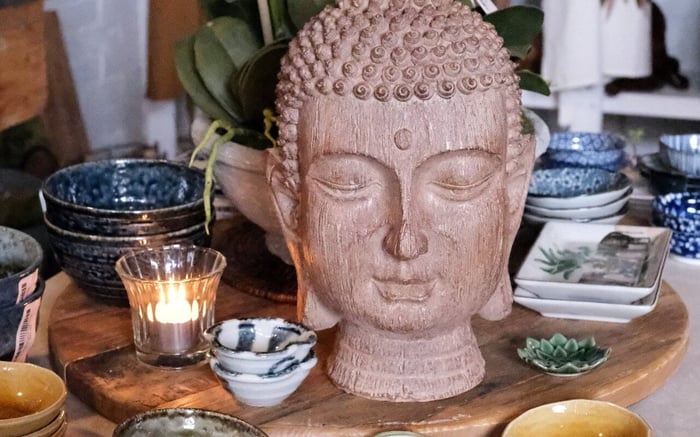
While taste is not directly related to interior design in the same way as other senses, your selection of tableware, including plates, glasses, and cutlery, can elevate your home dining experience by making your food look more appealing, and enhancing your perception of taste.
For example, in a study published in 2003, researchers discovered that the colour of a coffee cup could surprisingly influence the sensory and hedonic judgments of specialty coffee, leading to enhanced drinking experiences, particularly when the cup colour aligned with the expected taste profile.
For instance, colours like pink and red were associated with sweetness, yellow with acidity, and black with bitterness.
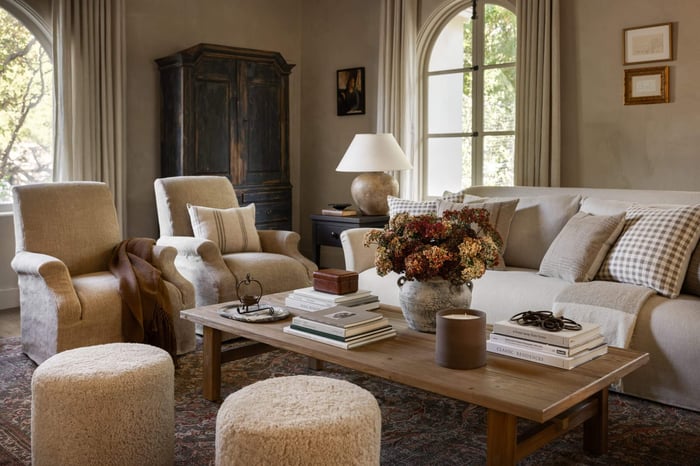 Amber Interiors Emotional Needs
Amber Interiors Emotional NeedsLastly, designing a home that aligns your lifestyle is crucial for promoting overall well-being and ease in your daily activities.
Take some time to reflect on your lifestyle and the specific needs you would like each room in your home to serve.
Some ideas include:
- A dedicated space for rejuvenation, self-care, or meditation.
- Inviting entertaining or lounging areas that encourage social interaction and connection.
- An organised home office that promotes focus.
- or a dedicated exercise space for yoga, dance, or home workouts.